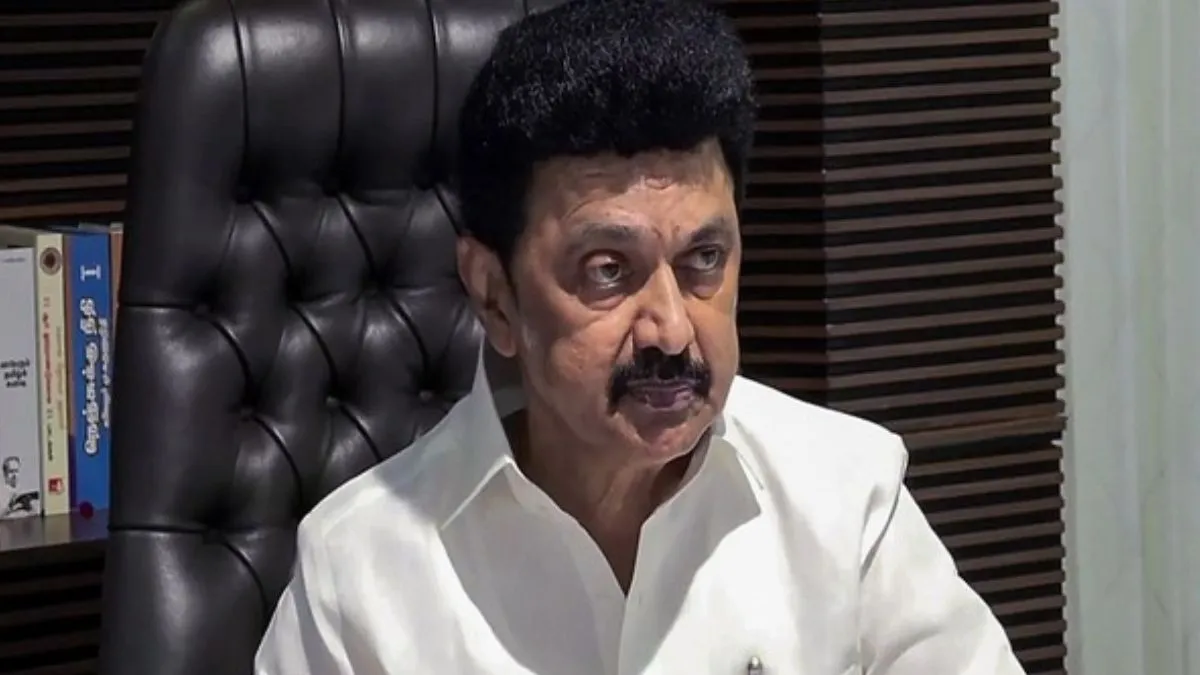
- DMK opposes reduction in Tamil Nadu's Lok Sabha share.
- Stalin demands 7.18 per cent representation, no compromise on principle.
- Advocates 1971 Census basis for 25 more years.
Amid speculation that the DMK may support the Delimitation Bill, DMK president and former Tamil Nadu Chief Minister MK Stalin said on Friday that his party would not compromise on the state's share of parliamentary representation during the delimitation exercise. He stressed that Tamil Nadu's current share of 7.18 per cent of Lok Sabha seats must not be reduced, even if the total number of constituencies increases.
In a post on X, Stalin said the DMK was the first party in the country to raise concerns about the possible impact of delimitation. He also recalled that Chennai hosted the first meeting of national political leaders who came together to demand a fair delimitation exercise.
தொகுதி மறுவரையறையால் ஏற்படக்கூடிய பாதிப்புகள் குறித்து இந்தியாவிலேயே முதன் முதலில் குரல் எழுப்பியது தி.மு.க.தான்! நியாயமான மறுவரையறை என்ற கோரிக்கையுடன் அகில இந்தியத் தலைவர்களை ஒன்றிணைத்து முதன் முதலில் கூட்டம் நடத்தப்பட்டதும், சென்னையில்தான். தமிழ்நாடு சட்டமன்றத்தில் நிறைவேற்றிய தீர்மானத்தின்படியும், நியாயமான தொகுதி மறுவரையறைக்கான கூட்டு நடவடிக்கைக் குழுக் கூட்டத்தில் நிறைவேற்றிய தீர்மானங்களின்படியும், நாம் முன்வைத்த உறுதியான கோரிக்கைகள்: • நாடாளுமன்றத் தொகுதிகளின் எண்ணிக்கை உயர்த்தப்பட்டால், எக்காரணத்தைக் கொண்டும், தமிழ்நாட்டின் பங்கு தற்போதுள்ள 7.18%-ல் இருந்து குறையக் கூடாது! • 1971 மக்கள்தொகை அடிப்படையில், மாநிலங்களுக்கு இடையேயான நாடாளுமன்றப் பிரதிநிதித்துவ விகிதாசாரத்தின் அடிப்படையில் நிர்ணயிக்கப்பட்டு, முன்னர் நிலைப்படுத்தப்பட்டவாறே, அடுத்த 25 ஆண்டுகளுக்கும் எந்தவித மாற்றமும் செய்யப்படக் கூடாது! எடுத்த இந்த இரண்டு நிலைப்பாட்டிலும் தி.மு.க. இன்றும் என்றும் உறுதியாக இருக்கிறது. இந்த நிலைப்பாட்டில் எந்த மாற்றமும் இல்லை, சமரசம் என்ற பேச்சுக்கே இடமில்லை! ஊடகங்களில் பரப்பப்படும் ஊகங்களும், முதுகுகுத்திகளின் முணுமுணுப்புகளும் எங்களது இந்த நிலைப்பாட்டை எந்த விதத்திலும் அசைத்துப் பார்க்காது. பதவிக்காகக் கொள்கையை உதறிவிட்டுச் செல்லும் மானமற்ற, நன்றிகெட்ட கூட்டத்தினர் இதனை உணர வேண்டும். தமிழ்நாட்டின் நலனைக் கழகம் ஒருபோதும் விட்டுக்கொடுக்காது. கொண்ட கொள்கையில் இருந்து தடம் மாறாது! The DMK was the first in India to raise its voice against the dangers of delimitation! It was only in Chennai that political leaders from across the country came together for the first time to demand fair delimitation. In keeping with the resolution passed by the Tamil Nadu Legislative Assembly and the resolutions adopted at the Joint Action Committee meeting for #FairDelimitation, we put forth two categorical demands: • If the number of parliamentary constituencies is increased, under no circumstances should Tamil Nadu’s existing 7.18% share of seats in the lower house be reduced! • The existing proportion of parliamentary representation among States, as determined on the basis of the 1971 Census and frozen earlier, must remain frozen for another 25 years! The DMK stands firm on these two demands and will continue to do so. There is no change in our position, and there is no question of any compromise! Neither the speculations being circulated in the media nor the wails of backstabbers can shake our resolve. The shameless and ungrateful lot who abandoned their principles for positions of power must realise this. The DMK will never compromise on Tamil Nadu’s interests. Nor will it depart from its principles!
— M.K.Stalin (@mkstalin) November 27, 2026
He wrote, "The DMK was the first in India to raise its voice about the possible adverse effects of constituency delimitation!
It was also in Chennai that a meeting was first held, bringing together national leaders to demand fair delimitation.
Recommended For You
In keeping with the resolution passed by the Tamil Nadu Legislative Assembly and the resolutions adopted at the Joint Action Committee meeting for fair constituency delimitation, our firm demands were:
• If the number of parliamentary constituencies is increased, under no circumstances should Tamil Nadu’s share fall below its current 7.18%!
• The existing proportion of parliamentary representation among States, as determined on the basis of the 1971 Census and frozen earlier, must remain unchanged for another 25 years!
The DMK remains firm on both these positions today and will continue to do so. There is no change in this position, and there is no question of compromise!"
Stalin further reiterated two demands concerning the allocation of Lok Sabha seats among states.
DMK's 2 Demand
The first demand is that Tamil Nadu’s existing 7.18 per cent share of seats in the Lok Sabha should not be reduced, even if the total number of parliamentary constituencies is increased.
The second demand is that the existing proportion of parliamentary representation among states, determined based on the 1971 Census, should remain unchanged for another 25 years.
Reiterating the party’s position, the Stalin said there was no change in its stand and ruled out any compromise on the demands.
Stalin also criticised political leaders whom he accused of abandoning their principles for positions of power, asserting that media speculation and criticism would not weaken the DMK’s resolve.
The remark comes after the Lok Sabha Secretariat announced on Thursday that the second part of the Eighth Session of the Eighteenth Lok Sabha would begin on November 30 and was expected to end on December 3, depending on government business.
The announcement has increased speculation about the possible introduction of the Delimitation Bill and the Women's Reservation Bill. However, the government has not yet clarified which Bills will be taken up during the session.
Why Is DMK Resisting Delimitation?
The delimitation issue has remained a major concern for southern states, including Andhra Pradesh, Telangana, Tamil Nadu, Kerala and Karnataka. These states have expressed apprehension that a population-based redistribution of parliamentary seats could reduce their relative share of representation compared with states that have recorded higher population growth.
Under the existing constitutional framework, the allocation of Lok Sabha seats among states has been retained based on the 1971 Census, with the freeze extended until the publication of the first Census after 2026. The debate has consequently centred on balancing population-based representation with concerns of states that have pursued population stabilisation.
The proposed delimitation exercise seeks to increase the number of Lok Sabha seats from the current 543 to potentially 850 and redistribute them based on population figures.
Tamil Nadu is particularly concerned about the proposed changes because the state currently has 39 Lok Sabha MPs, accounting for 7.18 per cent of the total seats in the House. Under the proposed changes, its seat count could increase to around 50, but its overall share of Lok Sabha seats could fall to 5.88 per cent.
ALSO READ: DMK's Stand On Delimitation Bill In Focus Amid Rift With Congress Ahead Of Parliament Session
In contrast, states such as Uttar Pradesh, Bihar, Rajasthan and Madhya Pradesh are expected to gain significantly from the exercise.
According to a report by The Hindu, the Hindi-speaking states' share of Lok Sabha seats could increase from 38.1 per cent to 43.1 per cent, while the southern states' share could decline from 24.3 per cent to 20.7 per cent.
For instance, Uttar Pradesh's Lok Sabha seats could rise from 80 to 140, while Tamil Nadu's could increase from 39 to 51. These figures are illustrative projections and do not represent a final seat-allocation formula.
The possibility of losing its share of parliamentary representation, despite gaining seats in absolute numbers, explains why Tamil Nadu has been raising concerns about delimitation for several years. The DMK argues that states that have successfully controlled population growth should not be disadvantaged in the distribution of parliamentary seats.
However, Union Home Minister Amit Shah has said that no state will be disadvantaged by the delimitation exercise.