

You must have often heard elders saying that we should never keep the sacred book of the Mahabharata at home. Even in my own home, the Ramayana and the Bhagavad Gita are kept, but not the Mahabharata. This belief has been passed down through many generations. But what is the reason behind it? Let's understand the spiritual belief behind this practice.
The Belief Surrounding The Mahabharata
According to popular Hindu beliefs, it is considered inauspicious to keep the Mahabharata at home. Many people believe that keeping this sacred text in the house can invite conflicts in relationships, bring bad luck and disturb the harmony of the family because the epic revolves around the disputes between the brothers that ultimately led to the war.
On the other hand, keeping Ramayana at home is believed to bring peace, positive energy and moral guidance. It symbolises the ideal life and character of Lord Rama and the pure bonds with his brothers and family. Throughout his journey, Lord Rama teaches humanity the values of duty, respect for parents, dharma and ideal behaviour.
Reality Behind Keeping The Mahabharata In The House
Many people have misinterpreted the Mahabharata because of its connection with violence, bloodshed and war.
In reality, keeping the Mahabharata at home is considered to be highly auspicious by many scholars and spiritual leaders. Mahabharata, authored by Ved Vyas, teaches the values of Dharma, Karma and Bhakti. It also embodies the essence of the Vedas. Instead of bringing bad luck or conflict, it offers wisdom, balance and spiritual guidance to those who study and understand it.
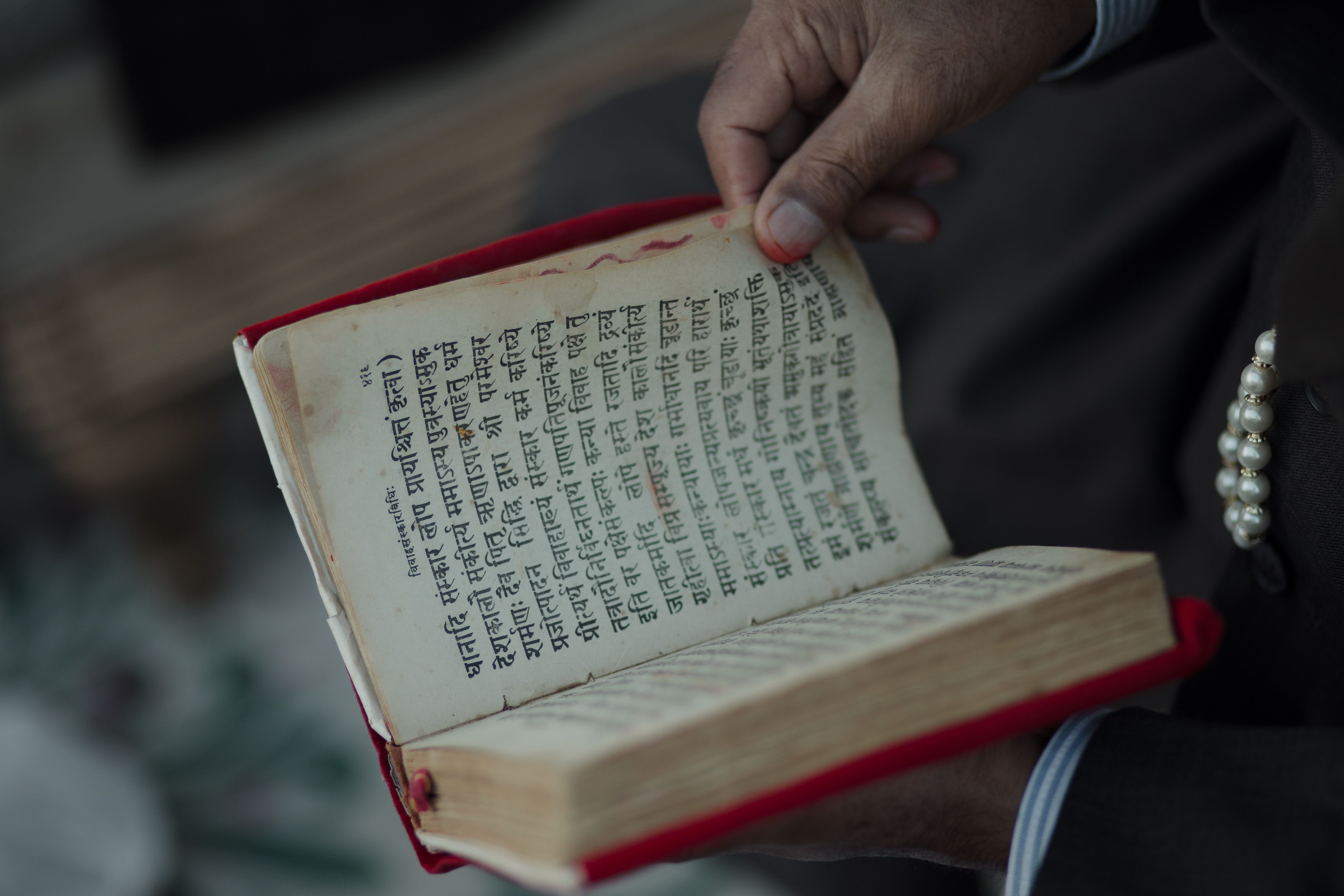
Keeping the Mahabharata at home is considered to be highly auspicious (Image: Pexels)
ALSO READ: Could Lord Khatu Shyam Really Have Ended The Mahabharata War In Just One Minute?
Teachings From Mahabharat To Learn From
Dharma
The characters in Mahabharata teach humans how to navigate life’s challenges while upholding Dharma.
Characters like Yudhistra, Arjuna and Draupadi face different situations and challenges where their dharma was tested every time. The choices they make, what path they choose, and the outcomes they faced help readers understand how to make righteous decisions during challenging times. This reflects the complexities of real life that almost everyone faces.
Karma
The Bhagavad Gita, one of the greatest treasures within the Mahabharata, contains Lord Krishna's teachings to Arjuna on Karma Yoga (right action), Bhakti Yoga (devotion), and Jnana Yoga (wisdom), offering practical wisdom for personal and societal life, while answering many philosophical questions.
Keeping the Mahabharata at home can serve as a reminder to the people of these timeless teachings: to act righteously, remain detached from results, and live in harmony.
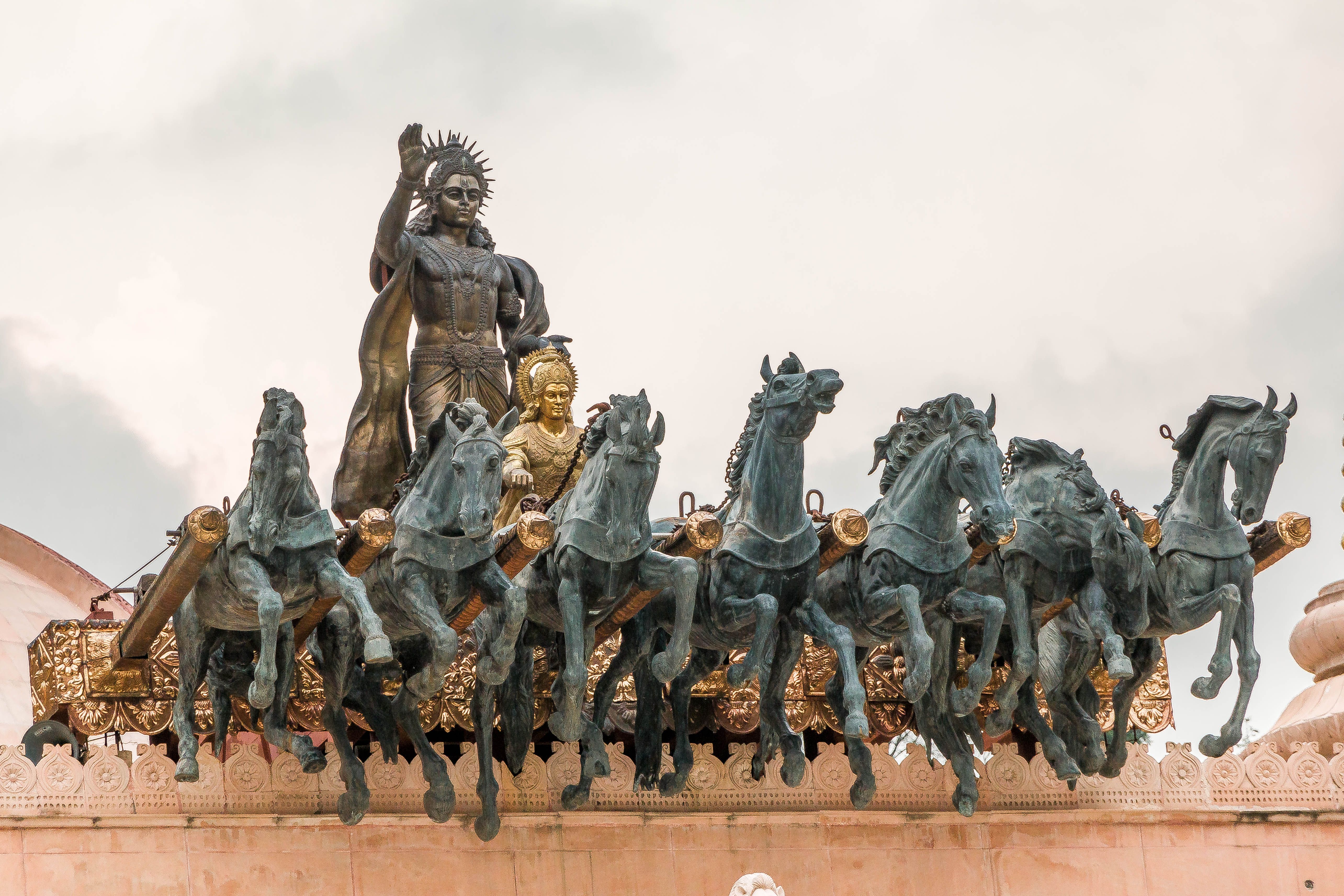
The Bhagavad Gita contains Lord Krishna's teachings to Arjuna (Image: Pexels)
ALSO READ: Why Do Hindu Temples Have Bells? The Spiritual And Scientific Significance Explained
Therefore, the belief that keeping the Mahabharata at home brings conflict and bad luck is a highly wrong interpretation of the sacred book. Rather than inviting negativity, this sacred text provides divine wisdom and guidance on Dharma, Karma, devotion, and ethical living.