

The Bhagavad Gita is one of the most sacred and revered texts in Hinduism. It is one of the greatest treasures of the Mahabharata and contains Lord Krishna's teachings to Arjuna on Karma Yoga (right action), Bhakti Yoga (devotion), and Jnana Yoga (wisdom), offering practical guidance for personal and societal life while addressing many philosophical questions.
People continue to seek guidance from these teachings to lead a peaceful and righteous life. But have you ever wondered why Lord Krishna only shared the wisdom of the Bhagavad Gita with Arjuna, and not with his brothers? His eldest brother, Yudhishthira, also known as Dharmaraja, was not given this privilege, despite being the most righteous and virtuous person among the Pandavas. Let's explore the reason behind this.
What Circumstances Led Lord Krishna to Teach The Bhagavad Gita To Arjuna?
On the battlefield of Kurukshetra, when Arjuna saw that he had to fight against his own relatives, including his teacher Dronacharya and grandfather Bhishma, his heart was filled with sorrow. Overwhelmed by emotions, he decided to step back and drop his weapons. Seeing Arjuna's situation, Lord Krishna decided to impart the teachings of the Bhagavad Gita, which largely explain the principles of karma and dharma. He explained to Arjuna that this war was not just for the kingdom, but for the establishment of righteousness.
As a Kshatriya, it was his duty to fight against unrighteousness while performing his responsibilities without seeking reward.
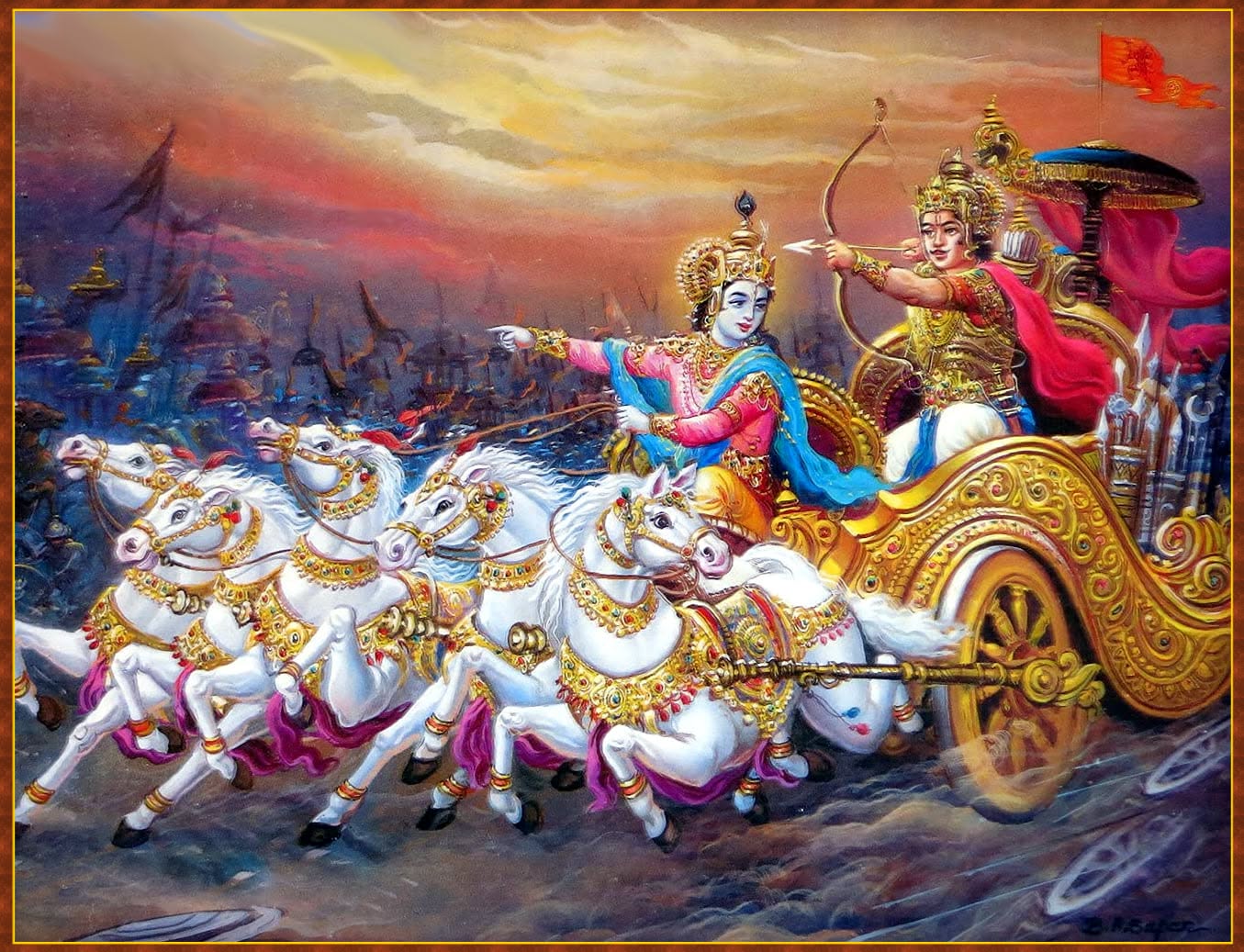
Arjuna was overwhelmed by emotions, and he decided to step back and drop his weapons (Image: Facebook/artofkrishna)
Why Lord Krishna Chose Arjuna To Give The Teachings Of Bhagavad Gita?
The emotions that Arjuna experienced were also felt by other Pandavas, but they knew that they were fighting to establish Dharma. On the other hand, Arjuna was different. He did not blindly follow the scriptures and always dared to question them. This quality allowed him to analyse the situation and then make his own conclusions.
If we talk about Yudhishthira, he was known for following dharma blindly and remained committed to it until the very end. His decisions were always based on what is right and wrong, leaving little room for doubt.
On the other hand, Arjuna, despite being a partial incarnation of Nara, who is paired with Narayana (Lord Krishna), possesses more human emotions. He knew what was right and wrong, and he knew what his duty was, but still he was struggling with the same emotional conflicts that ordinary people experience. This made him an ideal person for the teachings of the Gita.
ALSO READ: Could Lord Khatu Shyam Really Have Ended The Mahabharata War In Just One Minute?
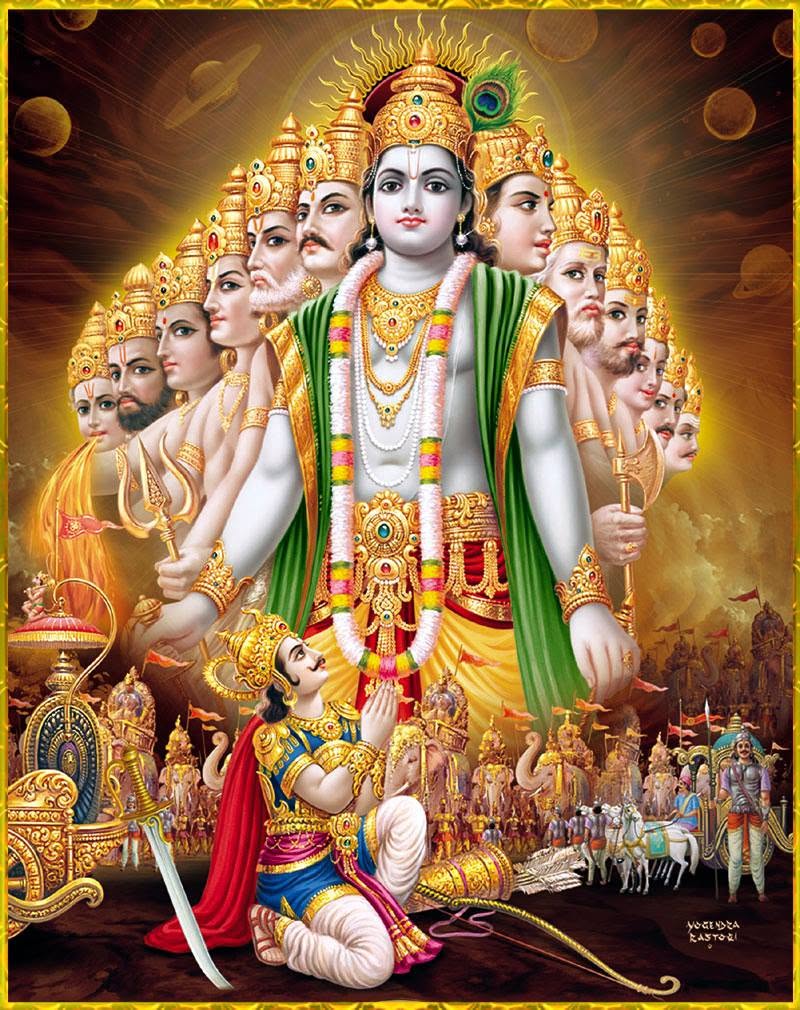
Lord Krishna giving the teachings of Bhagavad Gita to Arjuna (Image: Facebook/artofkrishna)
ALSO READ: Why Do People Keep The Ramayana At Home But Avoid The Mahabharata?
Apart from this, no one could absorb and apply knowledge with the same level of focus and concentration as Arjuna. More importantly, Arjuna not only sought refuge in Lord Krishna for wisdom, but also surrendered himself to him and requested Lord Krishna to rescue him from this confusion and despair.