
- By Shubham Bajpai
- Sun, 19 Apr 2026 05:37 PM (IST)
- Source:JND
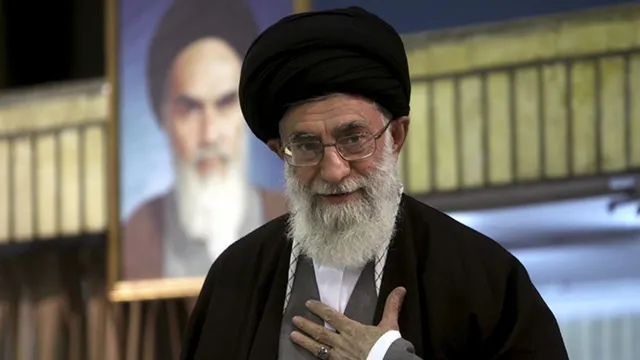
Iran's assassinated Supreme Leader Ayatollah Ali Khamenei's body is yet to be buried, even after over 7 weeks since his death, as Tehran faces security concerns and logistical challenges.
According to a report by the New York Times, Iranian authorities are assessing risks in holding a large public funeral as it would be attended by top brass of the Islamic regime and the IRGC.
Such a mass gathering during the times of heightened tensions increases the threat of an Israeli strike to trigger unrest. NYT cited Behnam Taleblu of the Foundation for Defence of Democracies, who claimed that the regime appears reluctant to proceed under current conditions.
"Simply put, the regime is too afraid and too weak to roll the dice," he was quoted by the NYT as saying. He pointed to broader vulnerabilities faced by Iran amid the conflict.
Khamenei likely to be buried in hometown
The reports suggest that the Iranian officials are considering Mashhad as a potential site for his burial. Mashhad is Khamenei’s hometown in northeastern Iran.
ALSO READ: India Warns Iran Of Consequences Over Attacks On Vessels In Hormuz; What Are New Delhi's Options?
His body is planned to be buried near the revered Imam Reza shrine with a huge security presence, as it offers symbolic importance.
Initially, the Iranian state media reported that a three-day state funeral was to begin on March 4, but it was abandoned as the US and Israeli strikes had intensified.
Later, it was said that the delay was due to a high footfall expectation. However, no date has since been finalised by the regime.
More delay expected as US-Iran truce deadline nears
What risks even more delays is the looming deadline of the already fragile two-week truce between Iran and the US, which is set to end on April 21.
Taleblu has also hinted towards concerns over internal dissent and information control. He noted that the Iranian government is anticipating protests or counter-mobilisation at any public ceremony.
The situation is completely different from 1989, when the first Supreme Leader, Ayatollah Ruhollah Khomeini, died and millions of protestors swarmed the streets in mourning.
"The Islamic Republic likes to talk a big game about owning the streets, but a 50-day internet blackout tells you all you need to know. The regime fears the consequences of the truth getting out," Taleblu was quoted as saying.