
- By Priyanka Koul
- Fri, 17 Apr 2026 02:05 PM (IST)
- Source:JND
Amid escalating tensions in West Asia, US President Donald Trump has made a bold claim that Iran is ready to hand over its “nuclear dust” to the United States.
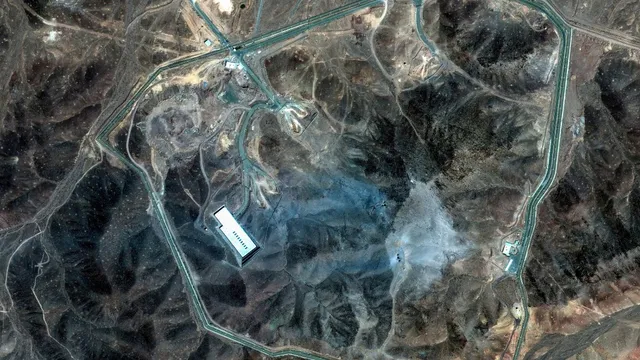
The term “nuclear dust” has been used by Trump to describe Iran’s enriched uranium, which the International Atomic Energy Agency believes is buried deep underground following US strikes on key Iranian nuclear facilities in June last year.
However, there has been no confirmation from Iran on any such agreement during ongoing discussions with the US or through Pakistani intermediaries. If the claim proves accurate, it could mark a significant breakthrough in efforts to limit Tehran’s nuclear capabilities.
“There will be no enrichment of Uranium,” Trump said, adding that the US would work with Iran to “dig up and remove all of the deeply buried (B-2 Bombers) nuclear ‘dust.’”
Iran’s Uranium Stockpile: How Much Is Left?
Prior to the June airstrikes by the US and Israel, Iran was estimated to possess over 400 kilograms of uranium enriched to 60 per cent and nearly 200 kilograms enriched to 20 per cent material that can be further processed to weapons-grade levels.
While Iran maintains that its nuclear programme is intended for civilian energy purposes, including electricity generation, these stockpiles have raised international concerns.
Iran has announced plans to increase its nuclear electricity generation capacity to 20 gigawatts by 2041. At present, the Bushehr Nuclear Power Plant, the country’s only operational nuclear power plant which produces around 1,000 megawatts of electricity.
This represents just about 1 per cent of Iran’s total power output. Experts estimate that Iran would need to build roughly 25 similar facilities to address its existing electricity deficit, a process that could take decades.
ALSO READ: ‘Camel Dreams Of Cottonseed’: Iran Blasts Trump’s ‘Free Oil’ Claim Amid Peace Talks
Where Is the Uranium Stored?
According to reports, a significant portion of Iran’s enriched uranium is believed to be buried under debris at a mountain site hit during US airstrikes ordered by Trump, which he previously claimed had “obliterated” Iran’s nuclear programme.
IAEA Director General Rafael Grossi has indicated that key nuclear materials are stored at two major locations targeted in the strikes, an underground tunnel at Isfahan and another storage site at Natanz.
Reports further suggest that Iran continues to possess centrifuges capable of enriching uranium and may have the ability to develop new underground facilities.
ALSO READ: Has Iran Agreed To Give Up Enriched Uranium? Trump Makes Big Claim On Nuclear Deal
The broader Middle East tensions have long been tied to concerns over Iran’s nuclear programme, a key point of friction between the Trump administration and Tehran with the United States viewing its enriched uranium reserves as a serious security concern due to their potential use in nuclear weapons development.