
- By Ajeet Kumar
- Mon, 20 Apr 2026 11:19 AM (IST)
- Source:JND
- Iran shows little interest in second round of Islamabad talks.
- Pakistan's economy faces capital flight, rising energy costs.
- Strategic location now a liability, unlike past conflict gains.
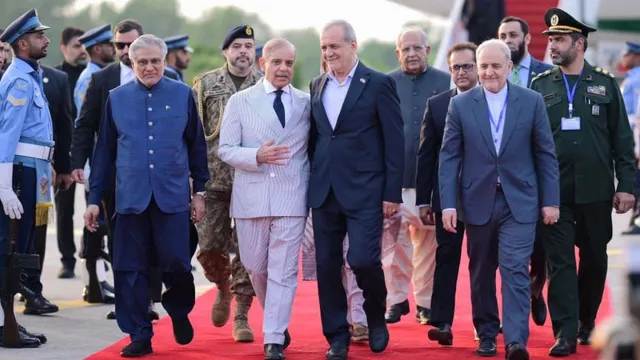
As of now, Pakistani media, which boasted the government's ability to let the two warring sides sit for negotiations, has now turning critical. They are now questioning the government’s ability to deliver tangible results despite weeks of intense mediation efforts by Prime Minister Shehbaz Sharif and Army Chief Asim Munir, which US President Donald Trump dubbed it as "favourite commander".
How Pakistan benefited from wars
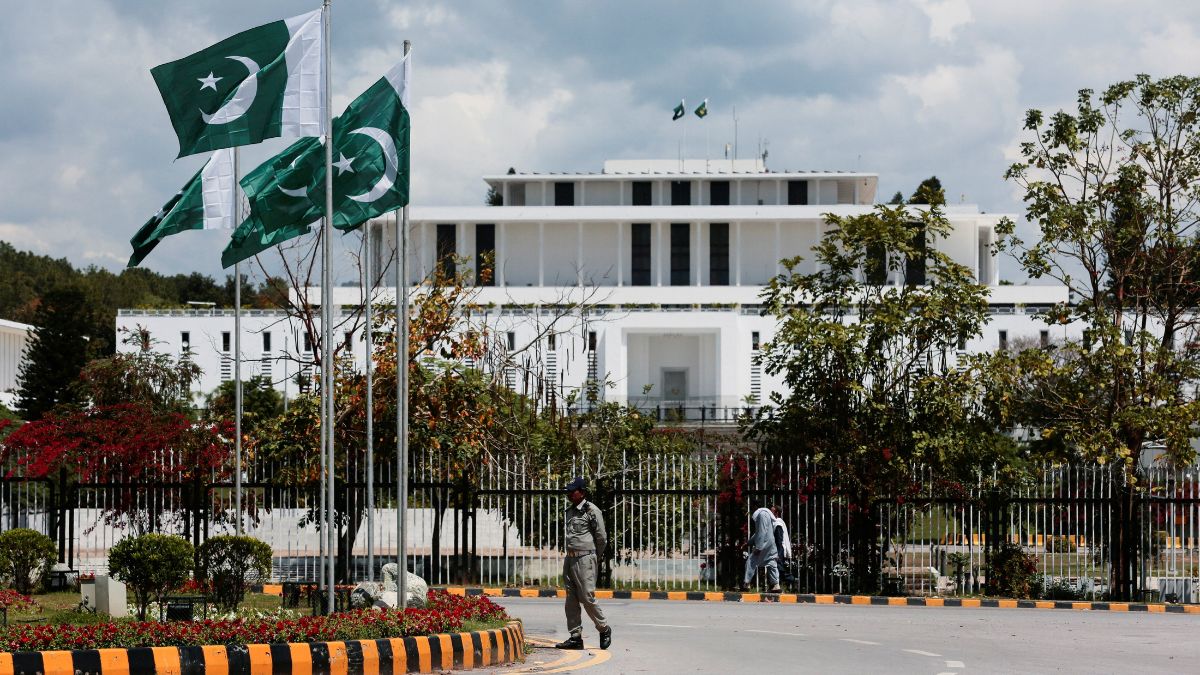
Historically, Pakistan's strategic location turned regional conflicts into worst economic windfalls. According to media reports, during the 1980s Soviet invasion of Afghanistan, the US initially offered USD 400 million in aid. However, it was dismissed by General Zia-ul-Haq who compared the aid with "peanuts."
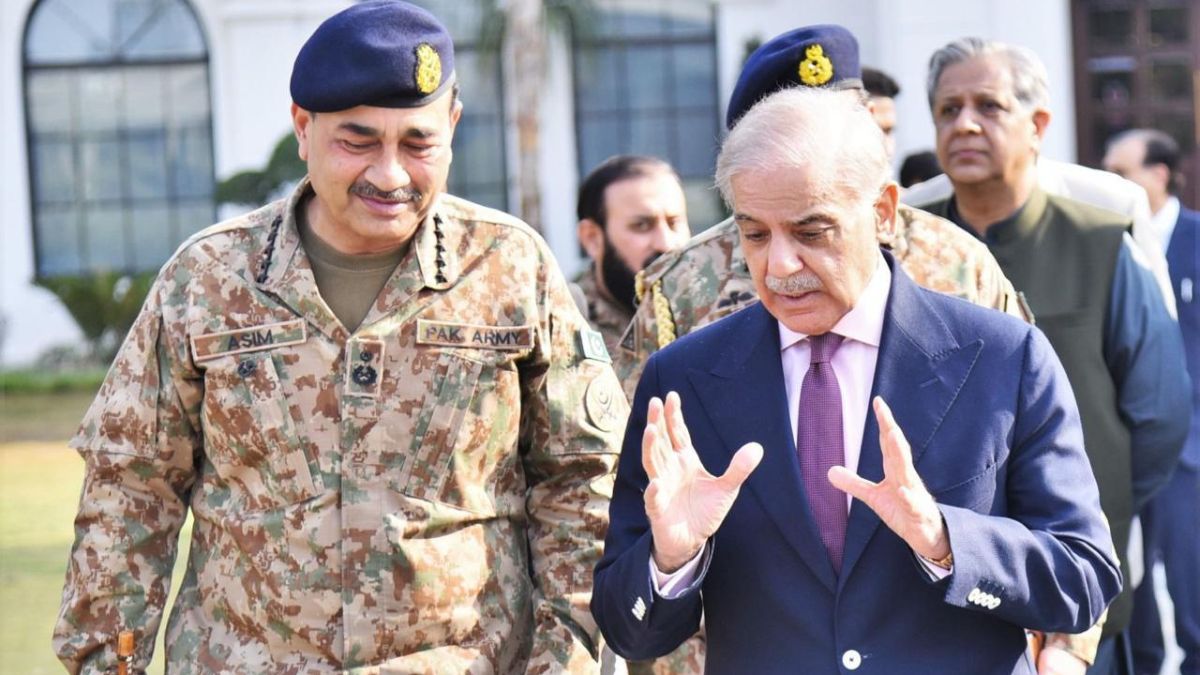
(Shehbaz Sharif (R) with Pak Army chief Asim Munir (L) | CREDIT: REUTERS)
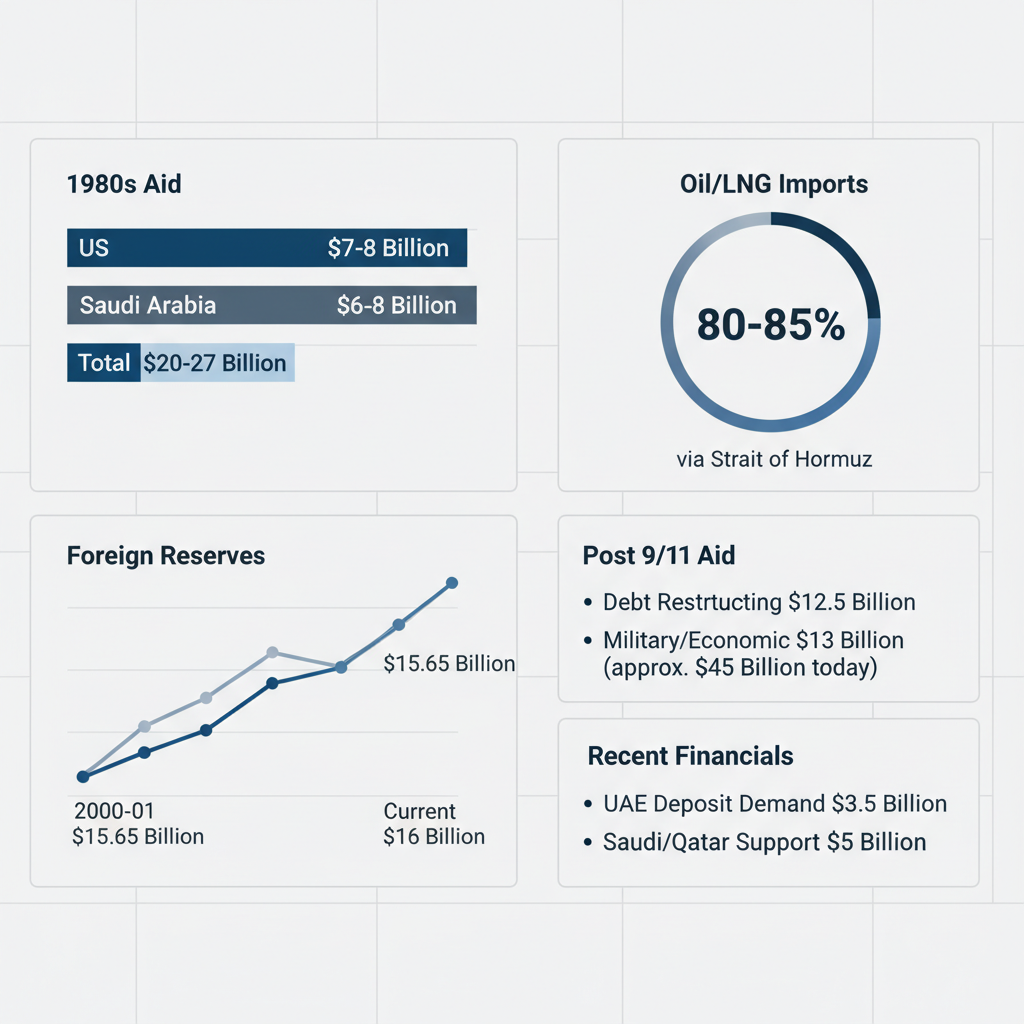
This later expanded into multi-billion packages totaling around USD 7-8 billion from the US, plus USD 6-8 billion from Saudi Arabia and significant IMF support. This helped Islamabad in bringing total aid to roughly USD 20-27 billion over the decade. The amount was reportedly a huge chunk of the Pakistan's GDP that time.
After 9/11, fresh support poured in. The US provided emergency funds, debt restructuring worth USD 12.5 billion via the Paris Club, and over USD 13 billion in military and economic aid, mainly Coalition Support Funds, equivalent to about USD 45 billion in today’s dollars. These inflows helped boost Pakistan’s foreign reserves from USD 3.23 billion in 2000-01 to USD 15.65 billion by 2006-07.
Why Shehbaz, Munir collaboation did not yield similar outcome in 2026
In 2026, the US-Iran conflict is producing the reverse effect. Instead of aid inflows, Pakistan faces capital flight, rising energy costs, and pressure on its foreign reserves, currently around USD 16 billion. With 80-85 per cent of its oil and LNG imports routed through the vulnerable Strait of Hormuz, disruptions have driven up import bills and inflation.
Earlier this month, the UAE demanded the return of its USD 3.5 billion deposit with the State Bank of Pakistan, threatening a sharp reserves hit. To avert a crisis, Saudi Arabia and Qatar stepped in with a combined $5 billion support package, including deposits and extensions, providing short-term relief.
Pakistan’s heavy dependence on Gulf energy routes has turned its geography from an asset into a liability. As diplomatic efforts in Islamabad hang in the balance, the country must navigate both the risk of renewed Gulf conflict and mounting domestic economic pressures. Whether mediation yields diplomatic or financial gains remains uncertain in the coming days.
(With inputs from agencies)
You may also like to watch